

Rug Buying Guide

Answers to your questions about buying rugs.
Rugs are a great way to brighten your décor and add a striking visual feature to any room or area. Although buying rugs is less complex than buying many other flooring types, finding the right one isn’t always straightforward.
This rug buying guide highlights some options and explores things to consider when choosing them for your home.
Navigate this guide
Why would you buy a rug?
Rugs help divide rooms, provide comfort underfoot in areas with hard flooring, and protect high-traffic areas from heavy wear. There is a wide variety of shapes, sizes, colours and materials, so it’s easy to find a rug to match any room in your home.
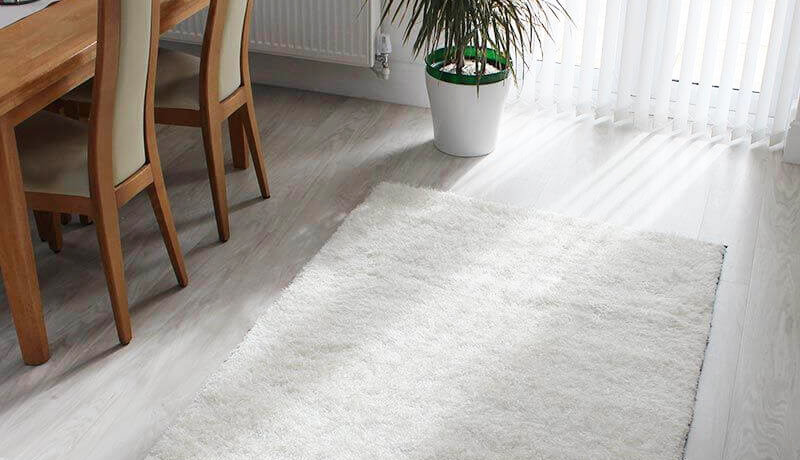
Rugs are often viewed as functional and artistic additions to a room’s décor that can set the tone or ambience of the space. They can be a great option if you rent your property and want to spruce up your living space without making major changes.
Adding rugs to a room can instantly create colour, texture, and pattern, making it visually appealing and reflective of your unique style and personality. You can also use rugs to enhance your current décor, cover any imperfections with your flooring, help to protect your flooring, reduce noise and brighten a dark room.
What are the rug options?
Some key considerations when you buy a rug are its durability, the likely maintenance required and its appearance. The rug material often impacts these things, so if you are wondering which rug materials are best, here’s a summary of the most popular rug types.
Wool Rugs
Wool rugs are a good choice for busy areas as they are hard-wearing. They are made from natural fibres, are environmentally friendly, and can be handmade or machine-made. Although woollen rugs are water- and stain-repellent, you must handle them carefully when cleaning them because of their sensitive and delicate nature.
Jute, Sisal and Coir Rugs
Jute, Sisal and Coir rugs are woven from natural grass fibres and are extremely strong and durable. These rugs are also environmentally friendly as manufacturers process the fibres without harsh chemicals.
Jute is a good choice for rug production because of its heat insulation properties and breathability. However, the jute fabric is sensitive to humidity, so jute rugs are not ideal for bathrooms.
Sisal has stiffer fibres than jute and feels harsher underfoot. Sisal rugs are, therefore, more suitable for homes with pets, high-traffic areas and outdoor rugs.
Coir rugs are woven rugs made from natural coconut fibres. These fibres are woven together, making coir rugs or mats extremely tough.
Polypropylene Rugs
Polypropylene rugs are made from synthetic fibres that have stain-resistant and hard-wearing properties. You can clean these rugs with bleach; they don’t generally fade. Unlike wool rugs which can shed their fibres, polypropylene rugs don’t, so they are relatively low maintenance.
Acrylic Rugs
Acrylic rugs are commonly handmade, and the pile is sometimes hand-cut to create texture and highlight the design. Acrylic is a hard-wearing synthetic fibre with a more luxurious and softer feel than polypropylene.
Polyester Rugs
Polyester rugs have a silky feel to them. These rugs are machine or handmade, creating thick and luxurious pile rugs. Polyester is a non-absorbent and fast-drying material, making it less prone to mould or mildew. Due to how it is dyed, it’s also resistant to most chemicals and any fading from UV rays.
Viscose Rugs
Viscose rugs are constructed of shiny synthetic fibre – excellent for producing exciting textures. They are commonly blended with other natural materials to add highlights and are available in bright colours and eye-catching patterns. Viscose rugs are well known for their comfort.
Chenille Rugs
Chenille rugs are made of various materials, including rayon, olefin or cotton. The fabric is produced by wrapping short lengths of yarn at right angles around a core to create a uniquely soft appearance. The yarn is woven, so the short lengths (called piles) are sandwiched between two longer (core) threads, giving the finished product a distinctively fuzzy look and feel.
Things to consider when buying a rug
One of the first things to consider when purchasing a rug is where it will sit. Depending on where you plan to put it, there are specific properties you may want to consider. For example, a dining room rug may be better with stain-resistant properties, whereas a hall rug may need to withstand plenty of footfall.
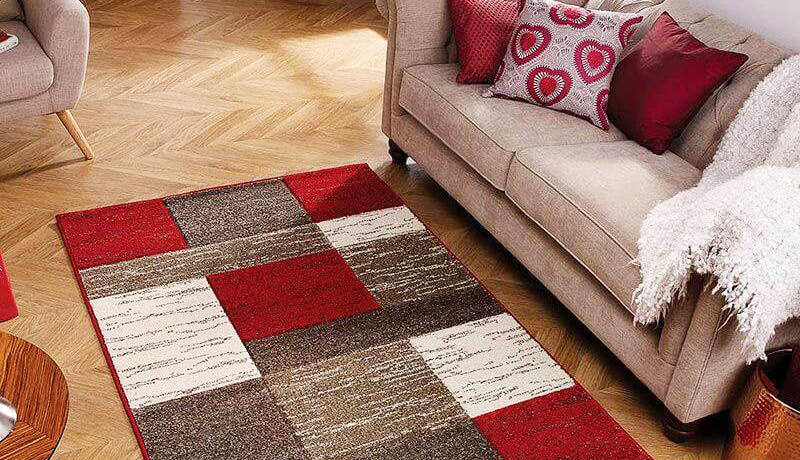
In addition to considering the properties of a rug, you might also ask yourself these common questions:
What size rug should I buy?
The rug size you choose will primarily come down to personal preference. To determine which size rug will look right in your room, we recommend marking it out with an old sheet or towel(s). Once you think it seems proportionately right in the space, measure it. This method should make visualising how your rug will fit easier than simply measuring the floor.
What colour rug will go with my décor?
There is no hard and fast rule when it comes to choosing the colour of your rug. Choosing one that matches, compliments, or contrasts with part of your décor should work fine. Again it essentially boils down to what you prefer. We recommend using a colour palette generator if you need help deciding on a colour scheme.
How easy will it be to clean my rug?
It is worth checking the manufacturer’s recommendations regarding the cleaning method, often determined by the fabric or fibre type. Periodically cleaning your rug will help extend its life and keep it looking new. It will also help remove common allergens contributing to respiratory conditions such as asthma.
How thick is a good-quality rug?
The thickness of a rug affects its appearance, functionality and feeling underfoot. When choosing between thicknesses, you should find the best balance between these aspects. Thin or flatweave rugs are generally under 1/4″, medium to heavy rugs between 1/4″-1/2″, and
thick rugs above 1/2″ in thickness.
How can I stop my rug from moving?
It is common to see rugs moving, slipping, or wrinkling, meaning you must keep repositioning them. The best way to stop rugs moving on a carpet is to use some form of anti-slip rug underlay. This underlay is a non-slip, rubberised fabric that works by gripping the carpet pile underneath and limiting the rug’s movement. There are similar rug underlay products designed for use with hard floors.
Rug Buying Guide Summary
Are you seeking the perfect addition to make your home or office space comfortable, cosy, and stylish? Whether after a traditional or contemporary rug design, a bold or muted colour, a patterned or a solid style, there will be a rug to suit your taste and décor.
Several things determine the cost and quality of a rug. It will help you to consider its pile thickness, the manufacturing process, the nature of its design and the material used to construct the rug. Remember that the thickness of a rug affects not only its appearance but its functionality and the feeling underfoot.
Many materials are used in the production and manufacture of rugs, and we’ve highlighted some earlier in this rug buying guide. The material used to make a rug often impacts its durability, appearance, and what you will need to do you maintain it.
If you plan to have your rug in an area where it might slip or move, consider an anti-slip underlay to help prevent accidents. There are options available regardless of which flooring you have beneath your rug.
In addition to this rug buying guide, we’ve got guides for most other types of flooring. See them and other carpet and flooring resources below.
Carpet and Flooring Buying Guides
Already read this Guide to Buying Rugs? Check out these other buying guides.
Carpet Measuring Guides
In these guides, we walk you through the basics of measuring the rooms and spaces in your home.

