

What Is the Best Carpet for Stairs?
- Last Updated 5th October 2023
- | Carpets

If you are trying to determine the best carpet for stairs, it’s probable that you already have a good idea of the colours, shades, and styles you like. Despite exploring various options, you may still need to determine which type of carpet best suits your needs. To make this decision, you need to analyse several different factors thoroughly.
When it comes to carpeting your stairs, you need to put in more thought than for other areas of your home. From measuring your stairs to having your carpet fitted, there’s much more to consider.
Staircases are typically narrower areas that experience higher foot traffic compared to other parts of our homes. Additionally, we tend to step more forcefully on stairs, which increases the likelihood of wear and tear.
It’s essential to understand that carpets vary beyond their colour, so you must also consider other factors. So, what is the best carpet for stairs?
In short, there’s no definitive answer. More exploration and careful thought are needed to identify the best action plan.
What is the best carpet texture for stairs?
Most guides to buying carpet and flooring recommend a durable carpet if you anticipate high foot traffic on your staircase. A tightly woven Berber or low-pile Nylon carpet are both viable choices. Therefore, the carpet type and texture are vital considerations when determining the best carpet for stairs.

Nylon carpet fibres are highly durable and can endure more foot traffic than many other synthetic fibres. Nylon fibres also want to return to their natural erect position when vacuumed and cleaned.
Tightly woven Berber carpets are also highly durable and usually have slip-resistant properties. This property is essential for high-traffic areas such as the stairs, where accidents are more likely to occur.
Like most types, you can use polyester carpets on stairways, but polyester is generally one of the less durable carpet fibres. So, there are better options if you’ve got a large family who use the stairs frequently.
Woollen carpets can work well on stairways. They are extremely good at repelling stains and, similarly to nylon carpet fibres, don’t flatten quickly. For many years we have considered carpets with woollen fibres as the best quality, but significant advances in the manufacture of carpets made with synthetic fibres have changed this slightly.
It is also worth considering using a blended carpet for your stairs. These carpets usually consist of 80% wool and 20% synthetic materials, providing warmth and durability. To understand which pile and texture is best, it is worth looking at information about textile floor covering classifications.
What are the best carpet colours for stairs?
The colour of carpet you choose for your stairs is primarily down to personal choice. However, depending on how many people live in your home, some carpet colours are far more practical than others.
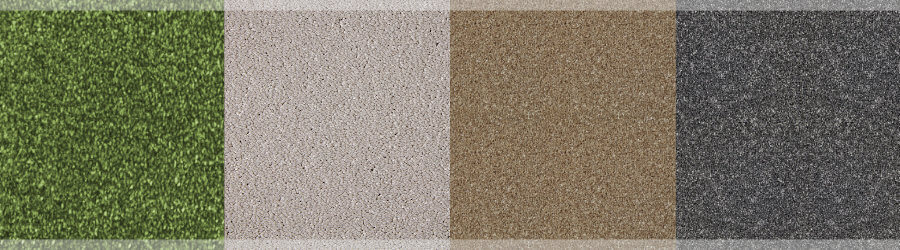
Mid-tones, such as browns and greys, are less susceptible to displaying minor blemishes or noticeable damage from frequent use.
A carpet with neutral colours can make your staircase feel cosy and inviting as long as it complements your overall decor. Neutral-coloured carpets can also compliment light-coloured walls and help make your stairway look less narrow.
Carpets with darker colours can conceal marks and light stains effectively. However, they can also make hallways and other spaces seem smaller when compared to lighter-coloured carpets.
Stair carpet design or style
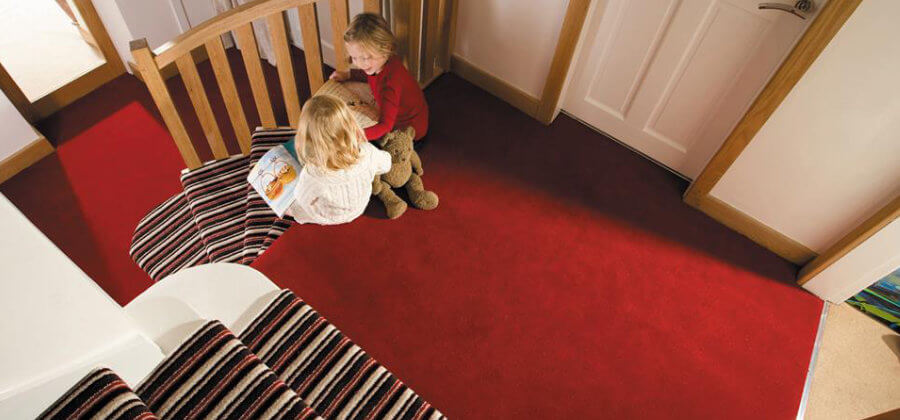
Using plain carpet on your stairs has pros and cons. Plain carpet can provide a straightforward yet graceful staircase appearance and blend with your hallway and landing effortlessly, resulting in a smooth transition. Nevertheless, it is also prone to accumulating more dirt and displaying signs of wear and tear, particularly in heavily frequented areas such as staircases.
Patterned carpets can add some personality and interest to your stairs. However, installing and matching can be more difficult, especially if you have winding or curved stairs. If you have an impressive staircase and are using a plain carpet in the hallway, a patterned carpet can enhance the beauty of your stairs.
Striped carpet is a popular option for stairs, as it can create a striking and modern look. Using carpets with vertical stripes can create the illusion of taller stairs, making them appear longer. Use the same technique with horizontal lines to make narrow staircases look wider. Striped carpets on your stairs will also help hide minor scuffs, which is helpful because stairways are often busy areas of the home.
Stair Runners
If you have found a carpet that perfectly fits your decor but still want to showcase the wood of your staircase, consider having a staircase runner. A ‘runner’ is a thin piece of carpet running down the middle of the stairs. The stair runner is often a standout feature on a grand staircase, adding a touch of elegance to the overall aesthetic.
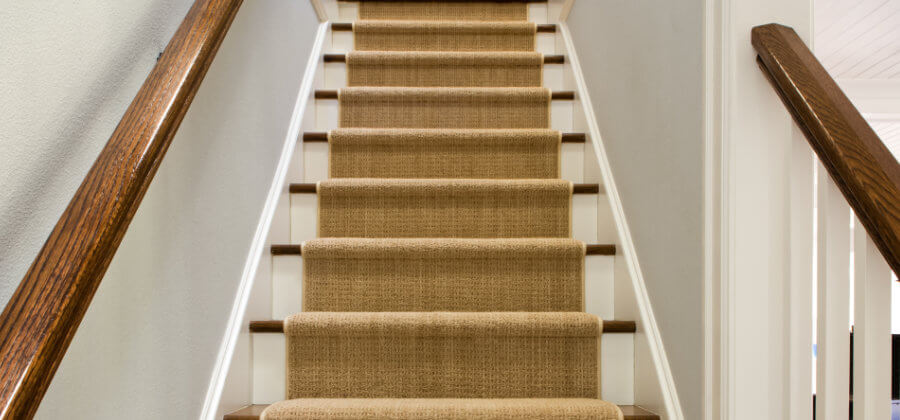
One option, and a way to save money when carpeting your hall, stairs, and landing, is to use the remnants from the hall and landing carpet to create a runner for the staircase. At The Carpet Stop, our carpet whipping service establishes a uniform, neat edge on carpet remnants.
Can carpets on stairs enhance safety?
We should always be careful on hard surfaces as they can be slippery and increase the risk of falling. Carpeting on stairs is much safer than covering them with hard flooring because it provides a much softer and safer landing spot should anyone fall. The cushion of a carpet could lessen the chance of sustaining injuries.
Our advice about the best carpet for stairs...
You may prefer hard surfaces such as hardwood or laminate on your floors, but installing carpet on your stairs, whether an entire carpet or just a runner, can still be a good option. The safety aspect alone makes carpeting on your stairs a sensible choice.
What is the best carpet thickness for stairs?
The thickness of the carpet is vital to consider when determining its suitability for stairs. Having carpet on the stairs will certainly make them softer to walk on or land on if you fall. But if the carpet on your stairs is too thick, it can be dangerous because it increases the risk of slips and falls.
It is generally best if you aim for a carpet pile height of 13mm (or less), a pile density rating of at least 8-pounds and a carpet underlay thickness of 11mm or less. Although we recommend, you get advice about the suitability of any carpet for the stairs from an expert when you purchase.
What is the best underlay for stairs?
However much you spend on your carpet, it is only as good as the underlay you have with it.
Similarly to how you consider getting the best carpet for your stairs, it is also best to consider which underlay you choose. Choose wisely, as a good quality underlay will significantly affect your carpet’s comfort, performance and durability.
It’s best to ensure that the underlay isn’t too thick, as this could cause the carpet to detach from the gripper strips more easily. The underlay should ideally have a high build density and be less than 11mm thick for best results. But not all products meet these criteria.
In summary – you must consider many factors to find the best carpet for stairs. These factors naturally include the carpet colour, design and style. However, it would help if you also considered the carpet’s durability, texture, pile weight, composition and construction. We discuss each of these in our guide to buying carpets.
Choosing the best carpet for your stairs depends on your taste, budget and lifestyle. But before deciding, you should order some carpet samples and look at them next to your stairs. Seek advice from an expert about suitable carpet types for stairs and familiarise yourself with the carpet manufacturer’s guidelines.

