

Wool Carpet
UK Carpet Guide Menu
- Introduction
- Wool Carpet ← You are here
- Nylon Carpet
- Polyester Carpet
- Polypropylene Carpet
- Carpet & Rug Market
- Carpet FAQs
Whether you’re considering a wool carpet for style, comfort, or sustainability, understanding its benefits and care requirements is essential.
Woolen carpets are a fantastic choice for homes and businesses regarding top-notch flooring. They’re known for their durability, luxurious feel, and eco-friendly nature.
So, let’s dive into everything you need to know about wool carpets – from their perks and downsides to maintenance tips and why they’re a favourite for many.
What Are Wool Carpets?
Carpet manufacturers craft carpets from natural sheep’s wool, a renewable resource that is incredibly strong and resilient. Wool fibres have a natural crimp, helping them retain their shape and bounce over time.
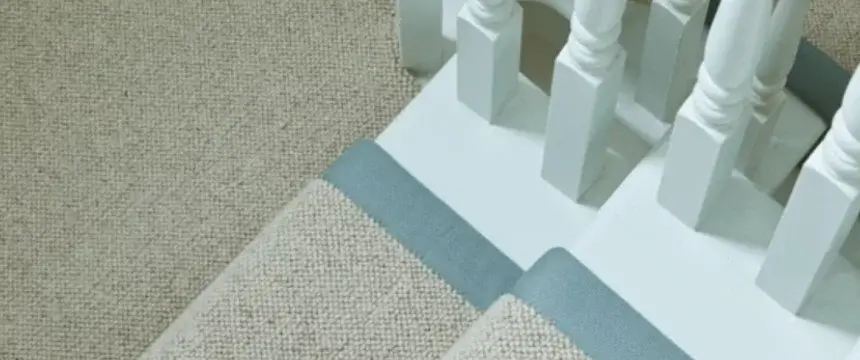
Wool loop stair runners are gaining popularity as a stylish, safe, and comfortable addition to staircases.
You can find pure wool carpets, but they’re often blended with synthetic fibres like nylon or polyester to boost durability and make them more affordable. These blends combine the comfort of wool with added strength and stain resistance.
The Benefits of a Wool Carpet
1. Luxurious Comfort Underfoot – One major plus of these carpets is their soft, plush texture. Wool’s natural elasticity gives a nice cushioning effect, making walking or sitting comfy. This comfyness makes them ideal for spaces like bedrooms and living rooms where you want extra comfort.
2. Natural Stain and Flame Resistance – Unlike synthetic carpets that need chemical treatments for stain resistance, wool naturally repels dirt and spills. Its fibre structure stops liquids from soaking in quickly, giving you more time to clean up. Plus, wool carpets are naturally flame-retardant, making them a safer option for homes and commercial spaces.
3. Superior Insulation Properties – Wool is an excellent insulator, helping to keep your indoor environment warm and cosy. Carpets made with wool provide thermal insulation, keeping rooms warmer in winter and cooler in summer. This can also help reduce energy bills by improving indoor temperature regulation.
4. Eco-Friendly and Sustainable – Carpets made with wool are a great pick if you’re environmentally conscious. Wool is 100% natural and biodegradable, making it a sustainable flooring option. Sheep keep producing wool, so there’s a renewable supply, and unlike synthetic carpets, wool doesn’t release harmful microplastics into the environment.
5. Durability & Resilience – Wool fibers possess a natural crimp that enables them to bounce back from compression more effectively, which helps maintain their shape and texture over time. This unique characteristic makes wool carpets exceptionally resistant to wear, crushing, and flattening, ensuring long-lasting performance even in high-traffic areas.
6. Excellent Insulation – Wool is a highly effective thermal insulator, naturally regulating indoor temperatures by retaining warmth during colder months and keeping interiors cool in the summer. Its insulating properties enhance comfort and contribute to energy efficiency, potentially reducing heating and cooling costs throughout the year.
7. Timeless Aesthetic Appeal – Wool carpets boast a rich, natural appearance that adds warmth and sophistication to any space. Their fibers hold dye exceptionally well, ensuring vibrant colors that resist fading over time, allowing them to maintain their beauty, elegance, and luxurious charm for years to come.
Potential Drawbacks of Wool Carpets
1. Higher Cost – One downside is their price. Because of their premium quality and natural origin, wool carpets are often pricier than synthetic ones. However, their longevity and performance often justify the investment over time.
2. Requires Professional Cleaning – While wool is naturally stain-resistant, deep cleaning can be tricky. Regular vacuuming helps maintain its appearance, but occasional professional cleaning is necessary to remove embedded dirt and extend the carpet’s lifespan.
3. Initial Shedding – New wool carpets might shed loose fibres during the first few months. This is natural and usually decreases with regular vacuuming.
4. Fading from Sunlight – Extended exposure to direct sunlight can gradually cause woolen carpet fibres to fade, particularly in spaces with intense UV rays or large windows, potentially affecting their color vibrancy over time.
5. Moisture Sensitivity – Wool has a natural ability to absorb moisture from the surrounding air, which can be beneficial for regulating indoor humidity but also makes it susceptible to mold and mildew growth if placed in persistently damp or humid environments. Without adequate ventilation or moisture control, prolonged exposure to excess humidity can compromise the carpet’s longevity and overall condition.
Best Areas for Wool Carpets
You may have asked yourself – where is the best place to have wool carpets? Thanks to their luxurious feel and durability, soft wool floor coverings work best in:
- Living Rooms: They create a warm, inviting atmosphere.
- Bedrooms: Offer supreme comfort underfoot.
- Hallways and Stairs: Durable enough to withstand moderate foot traffic.
A wool-synthetic blend might be more practical for areas with heavy foot traffic or high moisture.
How to Maintain Wool Carpets
To keep your carpet looking fresh and long-lasting, follow these tips:
- Regular Vacuuming: Use a vacuum with a gentle brush setting to remove surface dust and prevent dirt build-up.
- Immediate Spill Cleanup: Blot spills immediately with a clean cloth and avoid rubbing to prevent stains from setting.
- Professional Cleaning: Schedule a deep clean every 12-18 months to maintain freshness and hygiene.
- Avoid Harsh Chemicals: Use mild, wool-safe detergents to protect fibres from damage.
Get more information about caring for soft wool floor coverings in our floor care guide.
Our Conclusion about Wool Carpets
Wool carpets are a luxurious, sustainable flooring choice that offers comfort, durability, and natural insulation. While they might need a higher upfront investment and periodic professional cleaning, their benefits make them worthwhile for anyone looking for style, longevity, and eco-friendliness.
Whether you prefer pure wool or a blend, investing in woolen carpets enhances the look and functionality of any space. For expert advice and installation, consult a local carpet specialist to find the perfect carpet for your home or office.
Wool Carpets at The Carpet Stop
Companies whose carpets we stock and supply include Cormar Carpets, Kingsmead Carpets and Axminster Carpets. You may have heard of them.
Natural, versatile and ideal for all around the home, wool carpets manufactured in the UK at their mills in Lancashire by Cormar Carpets are available in plain, flecked and heather shades.
Axminster Carpets manufactures its carpets in Axminster, Devon, England and is the only carpet manufacturer that buys, washes, cards, spins, and dyes their own yarn.
Kingsmead Carpets have been in business for over 40 years and manufacture their carpets in New Cumnock, Ayrshire.
What Can You Expect to Pay for Woolen Carpets?
Carpets made with wool are renowned for their durability, luxurious feel, and eco-friendly properties. However, they also tend to be more expensive than synthetic alternatives.
The cost varies based on factors such as the quality of wool, whether it’s pure wool or a wool blend, and the style of the carpet.
Below, we break down the approximate prices per square metre to help you budget accordingly.
Factors Affecting the Cost of Woolen Carpets
Several factors influence the price of these carpets, including:
- Type of Wool – New Zealand wool, for example, is often more expensive due to its superior quality.
- Blended vs. Pure Wool – Mixed with synthetic fibres, blended wool carpets are generally more affordable.
- Carpet Style – Plush, Berber or loop pile styles can affect the price.
- Brand & Manufacturer – Premium brands tend to have higher price points.
- Installation Costs – Professional fitting may come at an additional charge.
Approximate Costs of Wool Carpets
The table below provides an estimate of wool carpet prices per square metre:

Investing in a wool carpet offers long-term benefits, including comfort, durability, and insulation. While the initial cost may be higher than synthetic alternatives, wool’s longevity and aesthetic appeal make it a worthwhile choice.
Be sure to factor in installation costs and maintenance to ensure you make an informed decision.
For expert advice and installation services, consult a local carpet specialist to find the perfect carpet for your home or office.

